
Course Overview
The Dogging (DG) High Risk Work Licence course (CPCCLDG3001) is designed to equip participants with the essential skills and knowledge to perform dogging operations safely and competently.
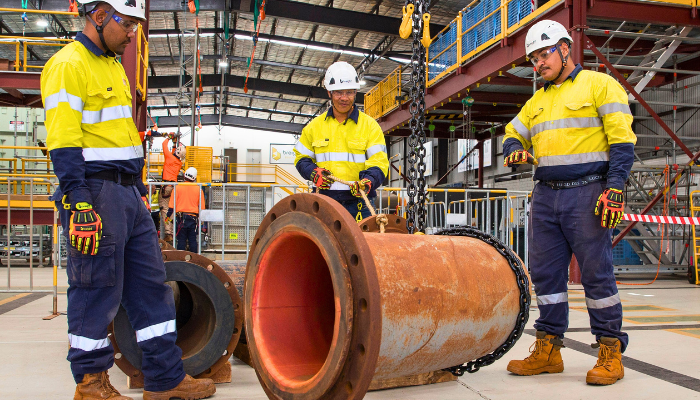
This hands-on, nationally recognised course focuses on the application of slinging techniques, the correct selection and inspection of lifting equipment, and effective communication to guide crane and plant operators in lifting and moving loads. Delivered by qualified trainers with industry experience, this course is ideal for anyone looking to enter or upskill in the construction or mining industries.
What you will learn
Throughout this course, you will gain practical experience and theoretical understanding in:
- WHS Regulations, Codes, AS/NZ 2550 and 1418
- Assessing material needs for dogging and lifting tasks
- Inspecting and using various lifting equipment for different loads
- Collaborative communication for safe load movement
- Applying tag lines to guide loads into position
- Interpreting lifting tags
For further details you can visit https://training.gov.au/training/details/CPCCLDG3001/unitdetails
Eligibility criteria
All candidates must meet the minimum Language, Literacy, and Numeracy requirements completing an LLND assessment prior to enrolment
Candidates must:
- Be in good general health and fitness
- Hold a White Card
- Undertake manual handling tasks
Assessment requirements
Competency is assessed through both theory and practical tasks.
A candidate cannot be deemed competent for the unit unless they are able to demonstrate satisfactory performance (to the required level) in all assessment tasks.
Certification and renewal
Upon successful completion, participants will receive a Statement of Attainment for CPCCLDG3001 – License to perform dogging.
While this certificate does not have a formal expiry, industry best practice recommends refresher training every three years to maintain competency and compliance.
Completion of this unit does not in itself grant a High Risk Work Licence. A separate application must be submitted to WorkSafe WA.